Help For Pelvic Floor
Reclaim Your Pelvic Power: A Functional Medicine Approach to Pelvic Floor Issues
Pelvic floor issues are incredibly common, affecting millions of people, yet they're often shrouded in silence and misunderstanding. From incontinence and prolapse to pelvic pain and discomfort, these conditions can significantly impact quality of life. But what if there was a different way to approach these challenges, beyond just isolated exercises or surgery? Enter functional medicine.
Functional medicine dives deep to uncover the root causes of dysfunction, and when it comes to the pelvic floor, this holistic approach can be truly transformative. It recognizes that your pelvic floor doesn't exist in a vacuum; it's intricately connected to your entire body.
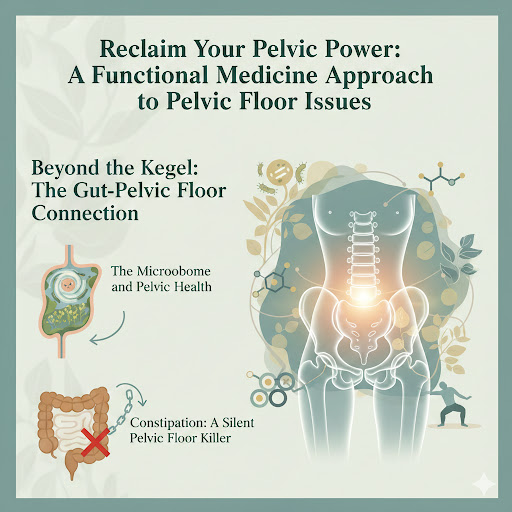
Beyond the Kegel: The Gut-Pelvic Floor Connection
Many people associate pelvic floor health solely with Kegel exercises, and while they can be beneficial, they're often just one piece of a much larger puzzle. A functional medicine perspective understands that the health of your gut, your hormones, and even your stress levels can profoundly impact your pelvic floor.
The Microbiome and Pelvic Health: Your gut is home to trillions of bacteria – your microbiome – and its balance is crucial for overall health, including your pelvic floor. An imbalanced microbiome, known as dysbiosis, can contribute to inflammation throughout the body. This inflammation can directly impact the delicate tissues of the pelvic floor, leading to pain, dysfunction, and even weakened support. Think of it this way: a healthy gut environment supports healthy tissues everywhere.
Constipation: A Silent Pelvic Floor Killer: Chronic constipation is a major culprit in pelvic floor issues. The constant straining to pass stool puts immense pressure on the pelvic floor muscles, leading to weakening, stretching, and even nerve damage over time. Addressing constipation through dietary changes, hydration, and other gut-supportive strategies is often a critical first step in pelvic floor rehabilitation.
Hormonal Harmony: Hormones play a vital role in maintaining the strength and elasticity of all tissues in the body, including the pelvic floor. Fluctuations or imbalances in hormones like estrogen, progesterone, and testosterone can impact collagen production, leading to weakened pelvic floor muscles and ligaments. This is particularly relevant during menopause, pregnancy, and postpartum periods. A functional medicine approach will assess your hormonal health and support balance through targeted nutrition, lifestyle interventions, and sometimes bioidentical hormone therapy.
A Holistic Toolkit for Pelvic Floor Wellness
So, what does a functional medicine approach to pelvic floor issues look like in practice? It's a comprehensive strategy that might include:
Targeted Nutrition: Focusing on an anti-inflammatory diet rich in fiber, probiotics, and prebiotics to support a healthy gut microbiome.
Gut Healing Protocols: Addressing dysbiosis, leaky gut, and other digestive issues through specific supplements and dietary changes.
Hormone Balancing: Assessing and addressing any hormonal imbalances through lifestyle, nutrition, and potentially bioidentical hormone therapy.
Stress Management: Implementing techniques like mindfulness, meditation, and yoga to reduce the impact of stress on the body and pelvic floor.
Breathing Mechanics: Proper diaphragmatic breathing is essential for optimal pelvic floor function, helping to coordinate pressure and movement.
Individualized Pelvic Floor Exercises: Beyond generic Kegels, a functional approach involves personalized exercises that address strength, flexibility, coordination, and often involve a qualified pelvic floor physical therapist. This might include:
Diaphragmatic Breathing: Focusing on deep belly breaths to engage the diaphragm and gently activate the pelvic floor.
Core Engagement: Learning to properly engage your deep core muscles (transverse abdominis) in conjunction with your pelvic floor.
Hip Mobility and Strengthening: Addressing imbalances in the hips and glutes, which directly impact pelvic stability and function.
Relaxation Techniques: For those with hypertonic (overly tight) pelvic floor muscles, learning to release tension is just as important as strengthening.
Taking Charge of Your Pelvic Health
Pelvic floor issues are not something you have to "just live with." By adopting a functional medicine perspective, you can uncover the interconnected factors contributing to your symptoms and create a personalized plan to restore balance and strength. It's about empowering your body to heal, from the inside out.
If you're struggling with pelvic floor challenges, consider exploring a functional medicine approach. It's a journey towards reclaiming your pelvic power and improving your overall well-being.
Ready to explore a functional medicine approach to your pelvic floor health?
Contact us today for a personalized consultation!
Share this post if you know someone who could benefit from a new perspective on pelvic floor issues!
What are your experiences with pelvic floor health? Share your thoughts in the comments below!